
Packing advice you'll find written for a different climate doesn't really work here. Most generic "how to pack for storage" guides are written somewhere with actual seasons — dry winters, mild summers — where the biggest risk to a stored box is a temperature swing. Singapore doesn't have that problem. It has the opposite one: relentless, near-constant humidity, every day of the year, whether or not it's raining.
That changes what "packing carefully" actually means here. This is a practical, room-by-room guide to packing fragile and humidity-sensitive items so they come out of storage the way they went in — not a generic checklist with "Singapore" added to the title.
Why Does Singapore's Humidity Make Storage Packing Different?
Singapore's annual average relative humidity sits around 83–84%, and regularly climbs above 90% overnight — high enough, sustained for long enough, to encourage mould, warping, and corrosion in anything packed without moisture protection. Unlike a seasonal climate, there's no dry stretch of the year where stored items get a chance to air out. Humidity this consistent is what actually causes long-term storage damage — not a single flood or a dramatic accident, but months of trapped moisture doing quiet, steady damage inside a sealed box.
What You'll Need Before You Start
- Your storage cartons — the free cartons included with your plan work fine for this. The box material isn't what protects against humidity; what's sealed inside it is
- Silica gel (moisture-absorbing) packets — non-negotiable for anything humidity-sensitive
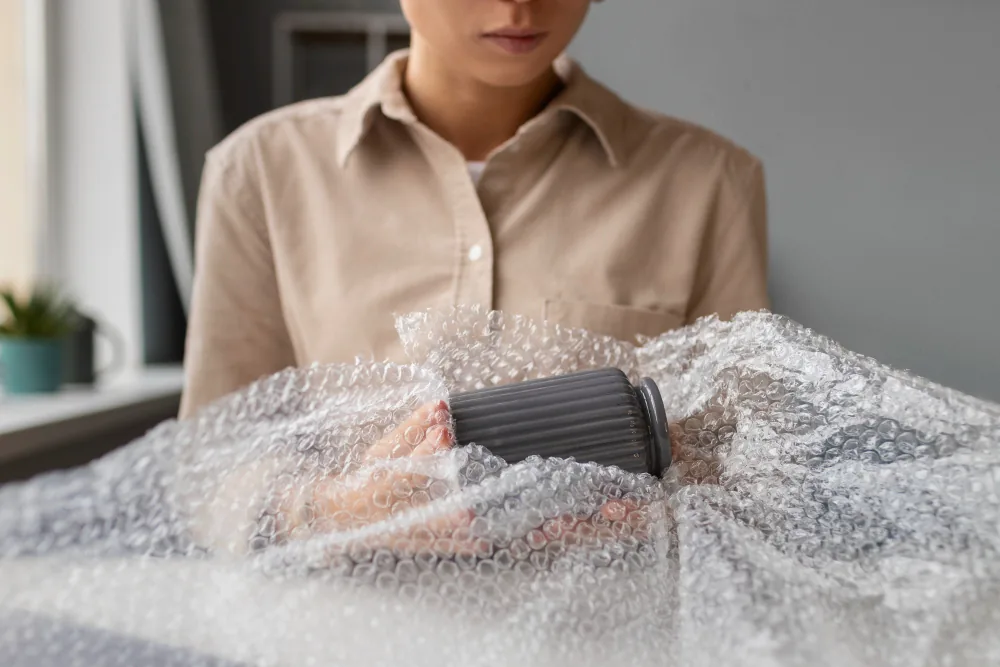
- Bubble wrap, for genuinely fragile items — glass, ceramics, frames
- Heavy-duty zip-top bags or plastic sleeves, for an inner seal around anything paper-based or humidity-sensitive, before it goes into the carton
- Plain, unprinted packing paper, for photos and documents (newspaper works in a pinch, but the ink can transfer onto whatever it's wrapping)
- Packing tape and a marker, for sealing and labelling what's inside and which way is up
How to Pack Glass & Ceramics
- Wrap each piece individually in bubble wrap — never let glass touch glass, even through cardboard
- Fill hollow spaces (inside cups, bowls, vases) with crumpled paper so they can't crush inward
- Box heaviest items on the bottom, lightest on top, and fill every gap so nothing can shift during transit
- Label the box "Fragile" and mark which side is up — obvious, but the single most skipped step

How to Pack Electronics
Humidity is the real threat here, more than physical damage — moisture inside a sealed electronic casing can corrode components long before you'd notice from the outside.
- Remove batteries before storing anything battery-powered, to prevent corrosion leaking into the device itself
- Wrap in anti-static packaging if you still have the original packaging — if not, a plastic bag works as a substitute
- Add a silica gel packet directly inside the box with the device, not just floating loose in the room
- Store electronics slightly elevated off the ground where possible, rather than on the floor of a box stack
How to Pack Photos, Documents & Paper
Paper is arguably the most fragile category here — humidity causes pages to stick together permanently, and mould on old photographs is often irreversible.
- Wrap in plain, unprinted paper, then seal inside a heavy-duty zip-top bag or plastic sleeve — this inner seal is what actually keeps humidity out, not the outer box
- Store flat, not rolled — rolling stresses the paper fibers over months of storage
- Your carton is fine as the outer container — its job is structural protection during handling and stacking, not humidity control. That's what the inner seal is for
- Add a silica gel packet inside the sealed bag itself (not just loose in the carton), and swap it for a fresh one periodically if the items are staying in storage for a year or more
How to Pack Leather & Fabric
- Never store leather in plastic — it needs to breathe, or trapped moisture leads to mould growth on the surface
- Use breathable garment bags or cotton sheets instead
- Stuff bags, shoes, and hollow leather items with plain paper to help hold their shape and absorb residual moisture
- Avoid direct contact between leather items and cardboard, which can transfer moisture and occasionally stain
The One Mistake That Ruins Fragile Items in Storage
Here's the counterintuitive part: sealing something in an airtight plastic bag without a desiccant doesn't protect it from humidity — it traps whatever humidity was already in the bag when you sealed it, then keeps it there indefinitely. A fully sealed bag with no silica gel inside can end up worse than a loosely covered box, because there's no way for that trapped moisture to escape once it's in. If you're sealing something in plastic, a moisture-absorbing packet needs to go in with it — sealing alone isn't protection, it's just containment.
Why This Matters No Matter How You Store
Singapore's humidity doesn't pause for however long something sits in storage — which is exactly why the steps in this guide matter regardless of which storage option you choose. Good packing technique is the real foundation here: it's what actually determines whether something survives months in storage.
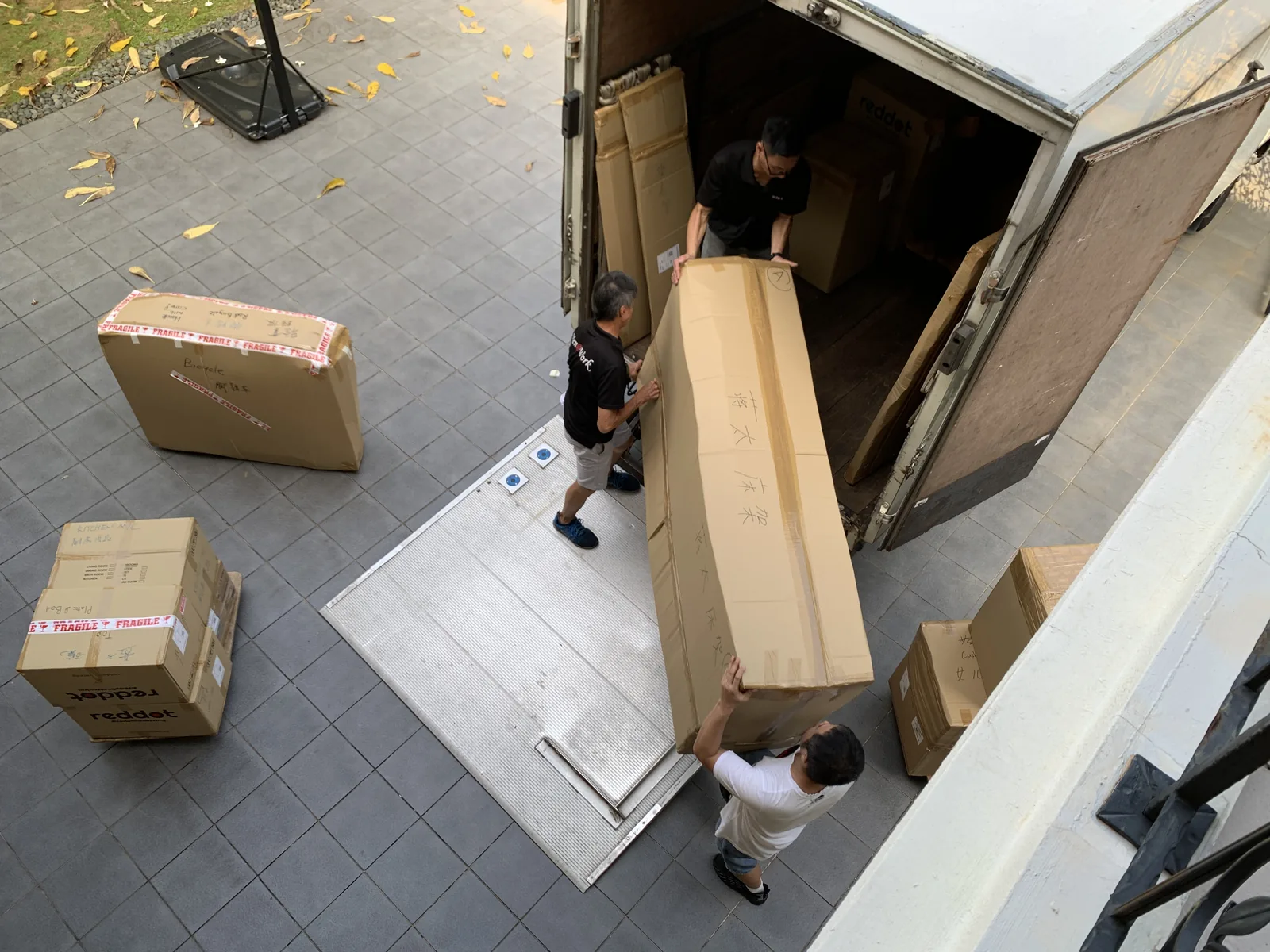
To make it easy to actually follow the advice in this article, every VaultFlow plan includes free silica gel packets on request, plus bubble wrap and a full packing service if you'd rather have our crew handle it than pack it all yourself.
Getting It Right Before It Goes Into Storage
The items most worth this extra care are exactly the ones you'd be most upset to lose — photographs, documents, electronics, anything leather or ceramic that can't easily be replaced. A few extra minutes with silica gel and the right packing material now is a lot cheaper than finding out what Singapore's humidity did to a box a year from now.
If you're getting ready to pack for a move into storage, you can request free silica gel packets and see the full plan lineup on the Pricing page — or add professional packing to your order if you'd rather it was handled for you.